Our Approach: Modern Heritage & Conscious Materiality
We believe that the strongest modern brands are born not from copying global trends, but from a deep understanding of local culture, craft, and the memory of a place. Our practice bridges the gap between traditional artisan codes and global industrial manufacturing.
Guided by the principles of slow living and sustainability, we prioritize a profound respect for materials. We translate cultural heritage into sophisticated visual systems that transform spaces into environments of calm, balance, and enhanced well-being.
Methodology: The Three Phases of Design
PHASE 01: RESEARCH — Cultural & Emotional Sensing (The Soul)
Deep diving into identity and craft memory. We explore the cultural heritage and emotional vibration of a landscape to ensure every design is grounded and authentic, inspiring tranquility and a return to one’s true self.
PHASE 02: NARRATIVE ENGINEERING — Scalable Design System (The System)
Translating narratives into production-ready systems. We engineer modular pattern families and product concepts technically adapted for industrial machinery (textiles, ceramics, rugs, weaving looms). We ensure mathematical precision and technical readiness for manufacturing at any scale.
PHASE 03: FUTURE HERITAGE — Systemic Implementation (The Realization)
Spatial & Product Integration. We scale these narratives across entire ecosystems. From high-margin signature collections for furniture and rug brands to curating bespoke surfaces for 5-star hospitality projects, we create "future heritage" that fosters a lasting connection between the person, the space, and the environment.
PHASE 01:
RESEARCH — Cultural & Emotional Sensing
(The Soul)

PHASE 02:
NARRATIVE ENGINEERING - scalable design system
(The System)
PHASE 03:
FUTURE HERITAGE - Systemic Implementation.
(The Realization)
MORGENTAL
•
GEN of nature
•
GEN of Culture
•
GEN of Art
•
GEN of creativity
•
MORGENTAL • GEN of nature • GEN of Culture • GEN of Art • GEN of creativity •
Case Study 01:
TR ETHNO — Transformation of Ethno, symbols
and Shingle Forms
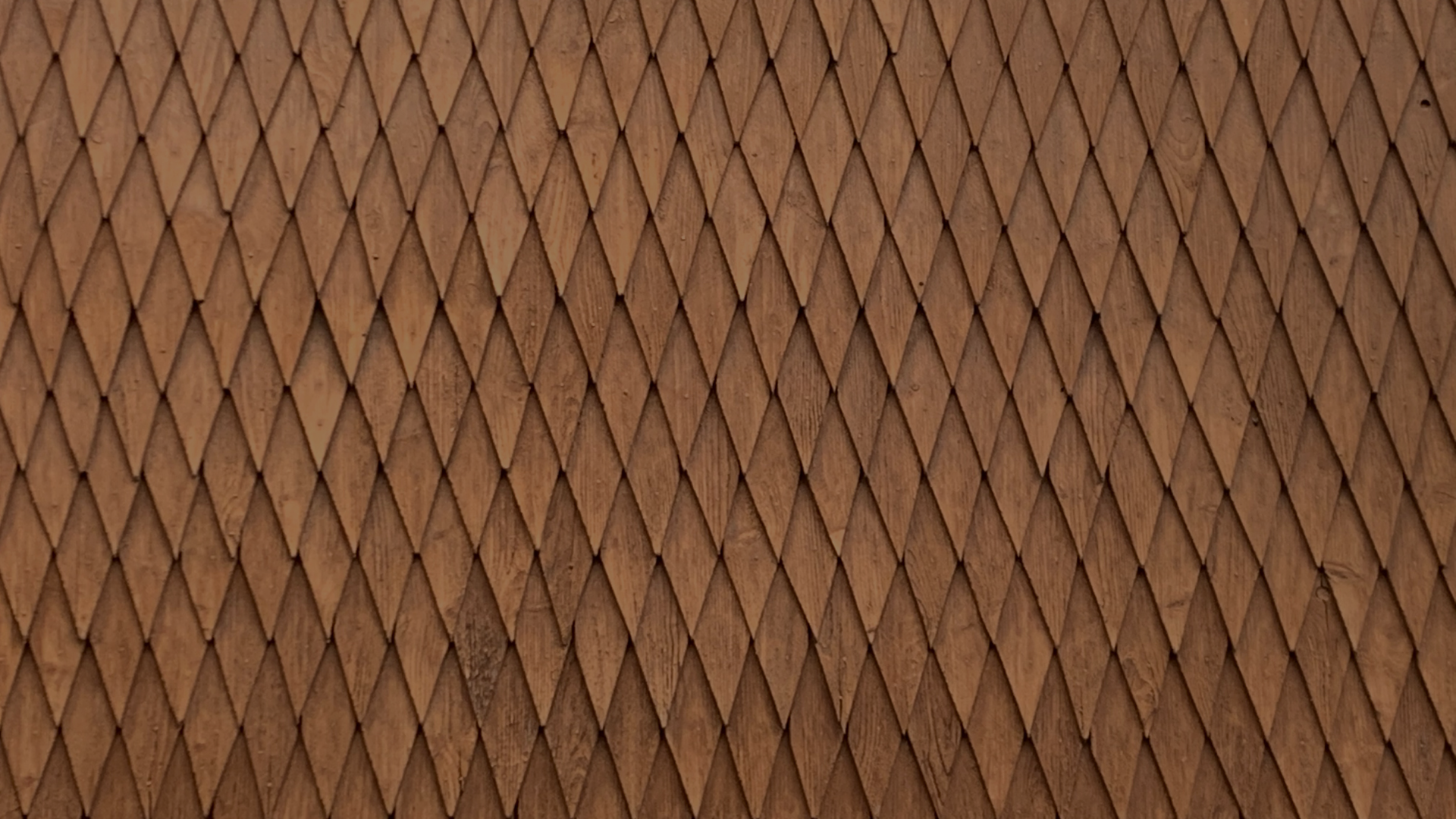
The Origin & Concept: GONT — the Ukrainian word for wooden shingle. ALATYR — the ancient sacred symbol of the eight-pointed star. This study focuses on creating a visual bridge between architectural geometry and textile soul. By merging the rigid forms of wooden shingles with the vibrant color memory of authentic folk clothing, we achieve a deep associative effect that resonates with cultural identity. This research became the foundation for a contemporary design system, demonstrating how heritage can be translated into scalable products without losing its authenticity
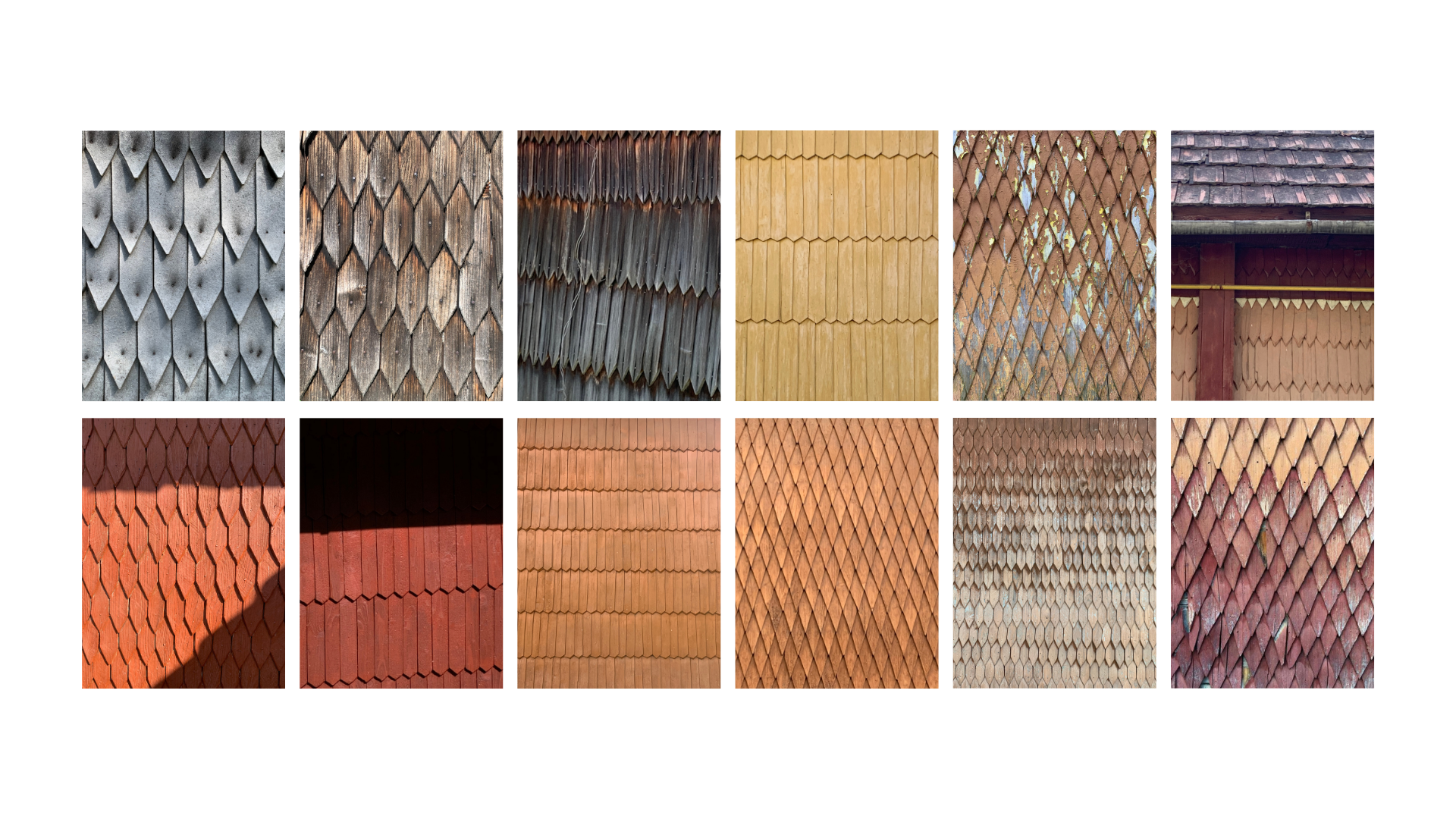
PHASE 01: RESEARCH (The Heritage) — Architectural Sensing.
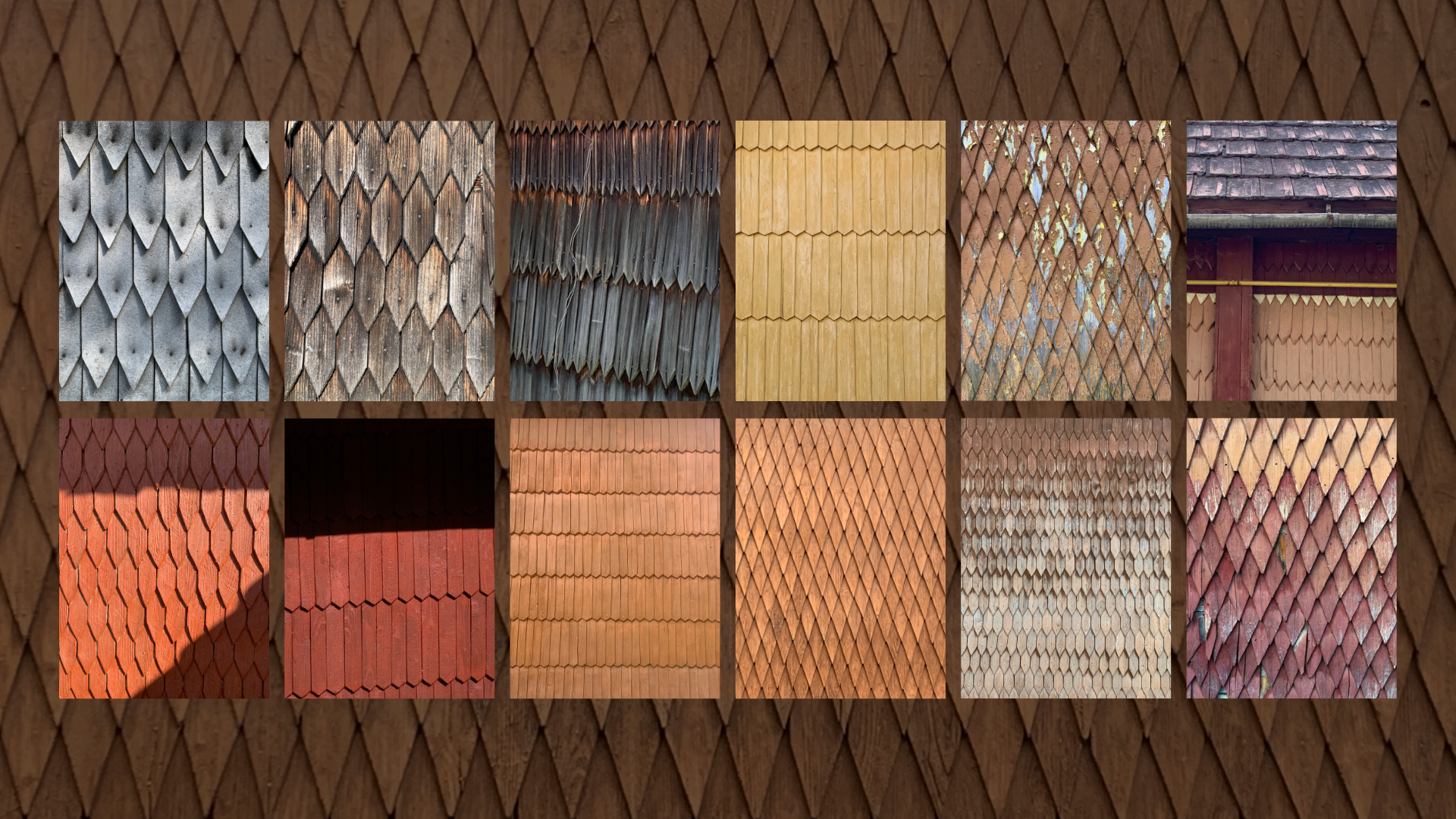
Architectural Documentation (The Form). Field expeditions across remote Carpathian villages to document historic GONT shapes. We documented vernacular architecture and its geometric language as a structural foundation for contemporary patterns
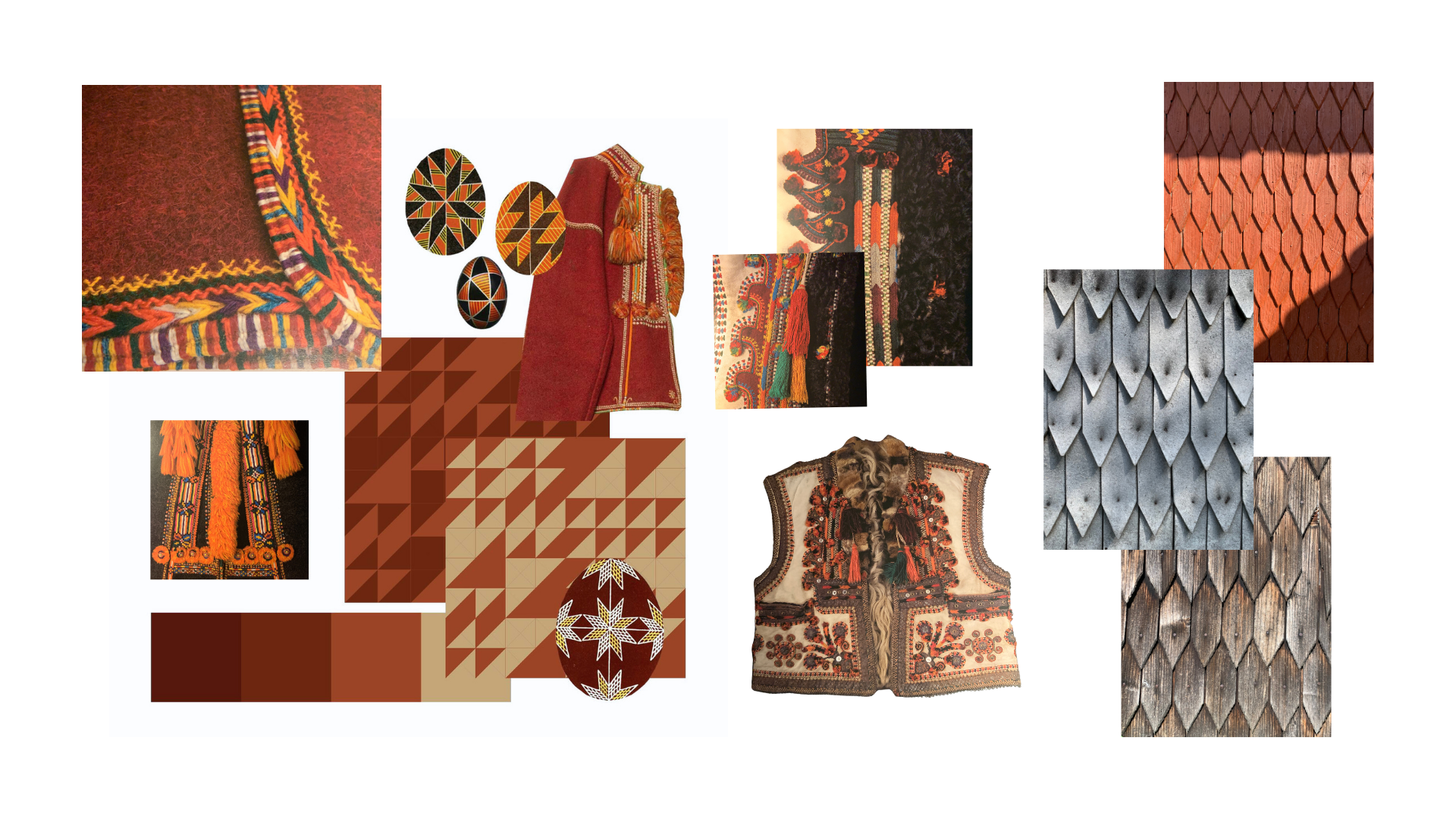
PHASE 01: MATERIALS AND COLOR (The Soul) — Emotional Sensing.
Emotional Color Mapping (The Memory). Deep research into authentic heritage textiles and folk clothing. We extracted traditional color palettes to create an associative effect, linking 'hard' architectural geometry with the 'soft' emotional memory of textile craft.
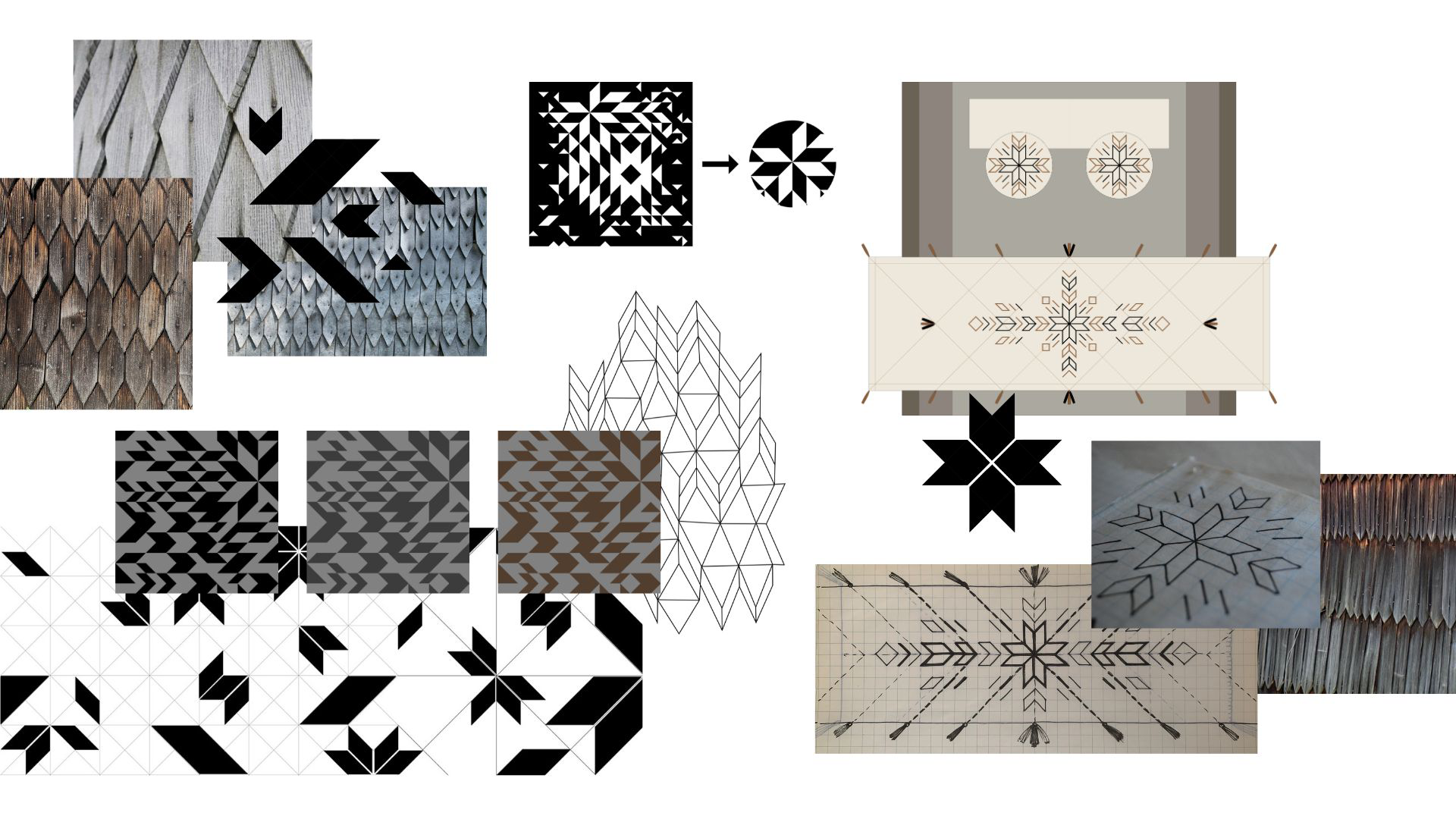
PHASE 02: NARRATIVE ENGINEERING — Scalable Design System (The System)
Conceptual Coding. Reinterpreting the Alatyr (Ruzha) symbol + GONT through the lens of architectural rhythms. We use conceptual names to preserve the soul of the research while preparing the narrative for transformation.
PHASE 03: FUTURE HERITAGE — Systemic Implementation (The Realization)
Iconic Product Design — Collaboration with NOOM
The Impact: Strategic collaboration with premium furniture brands to integrate research-based narratives into contemporary objects.
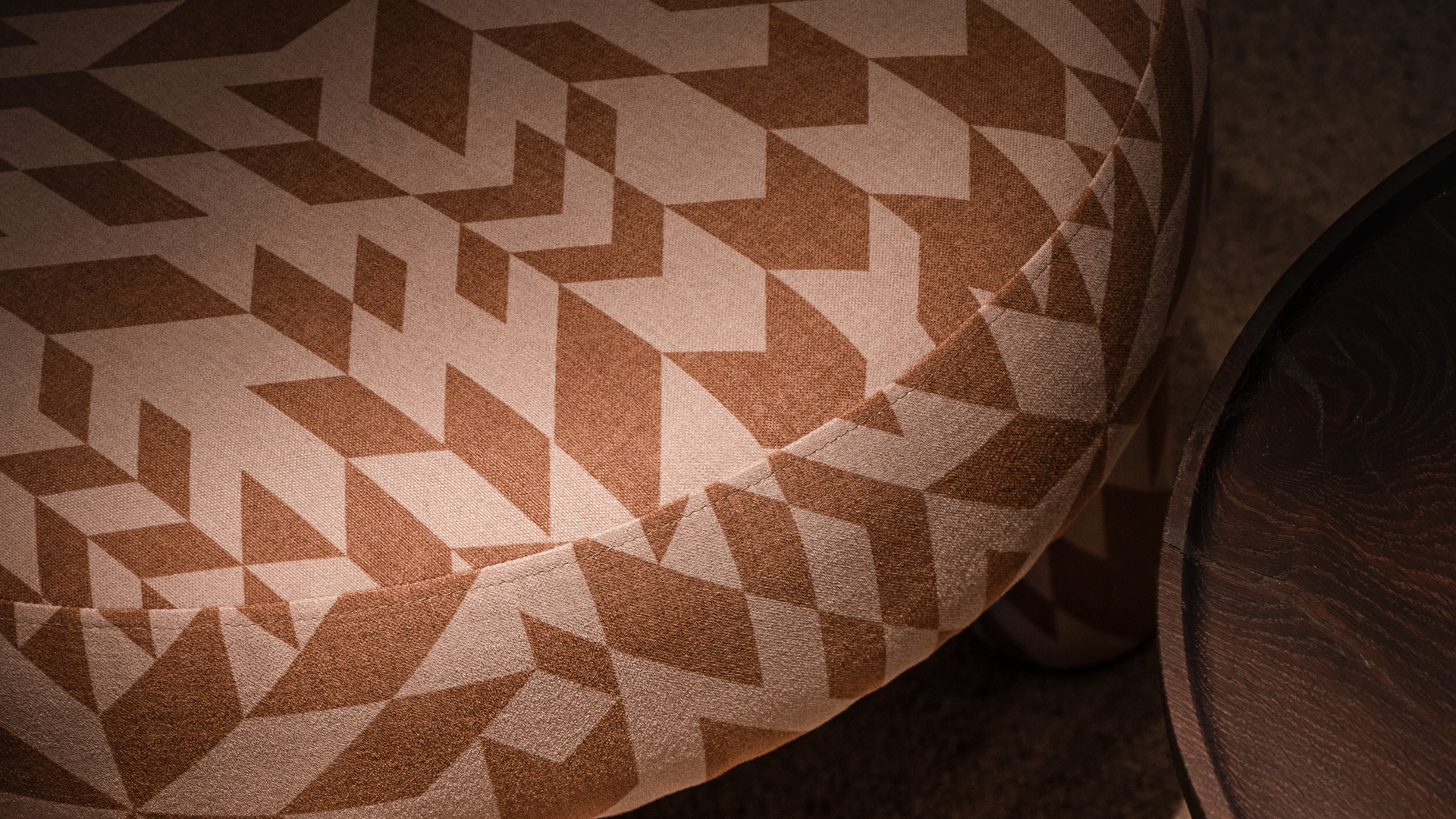
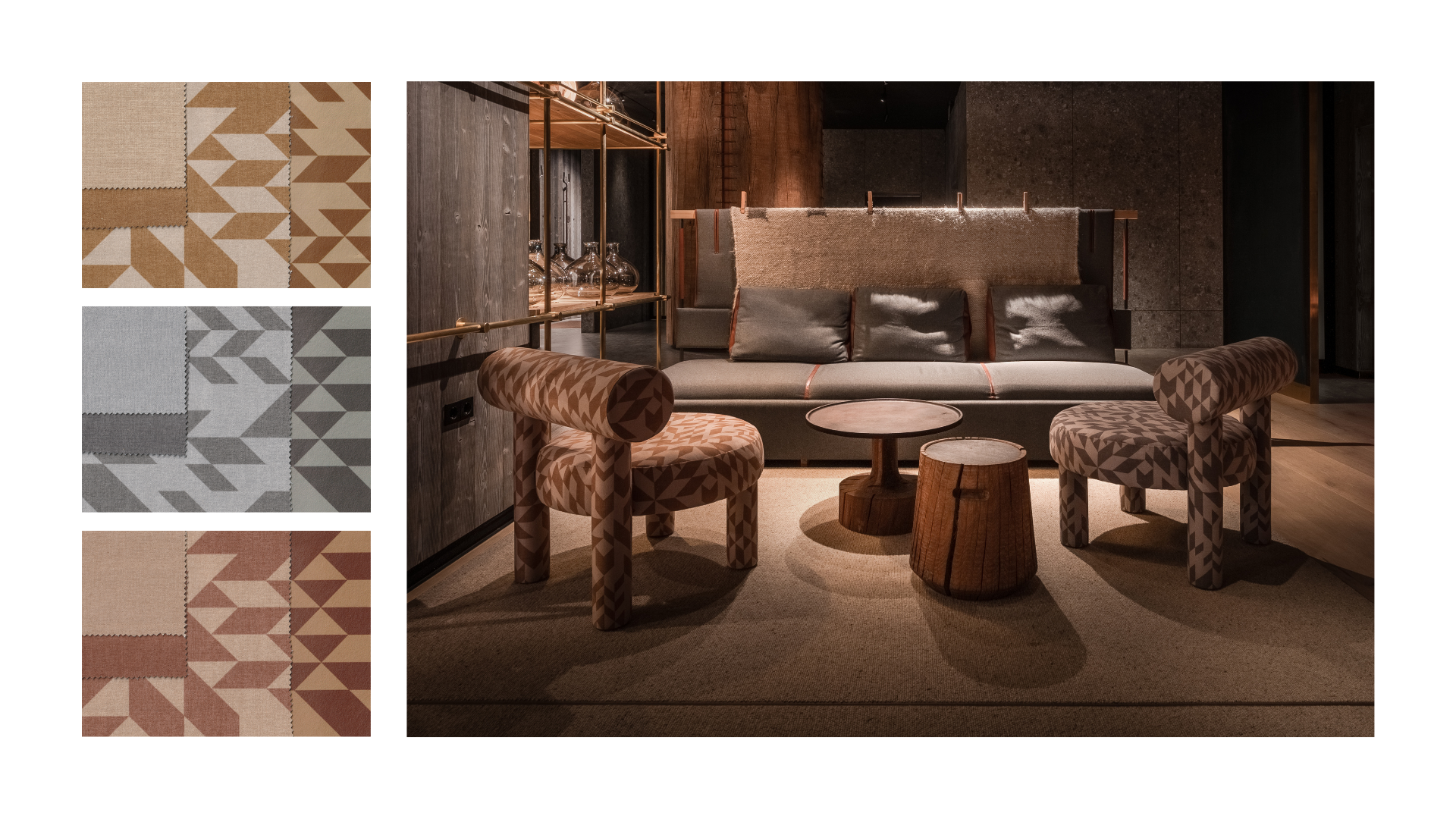
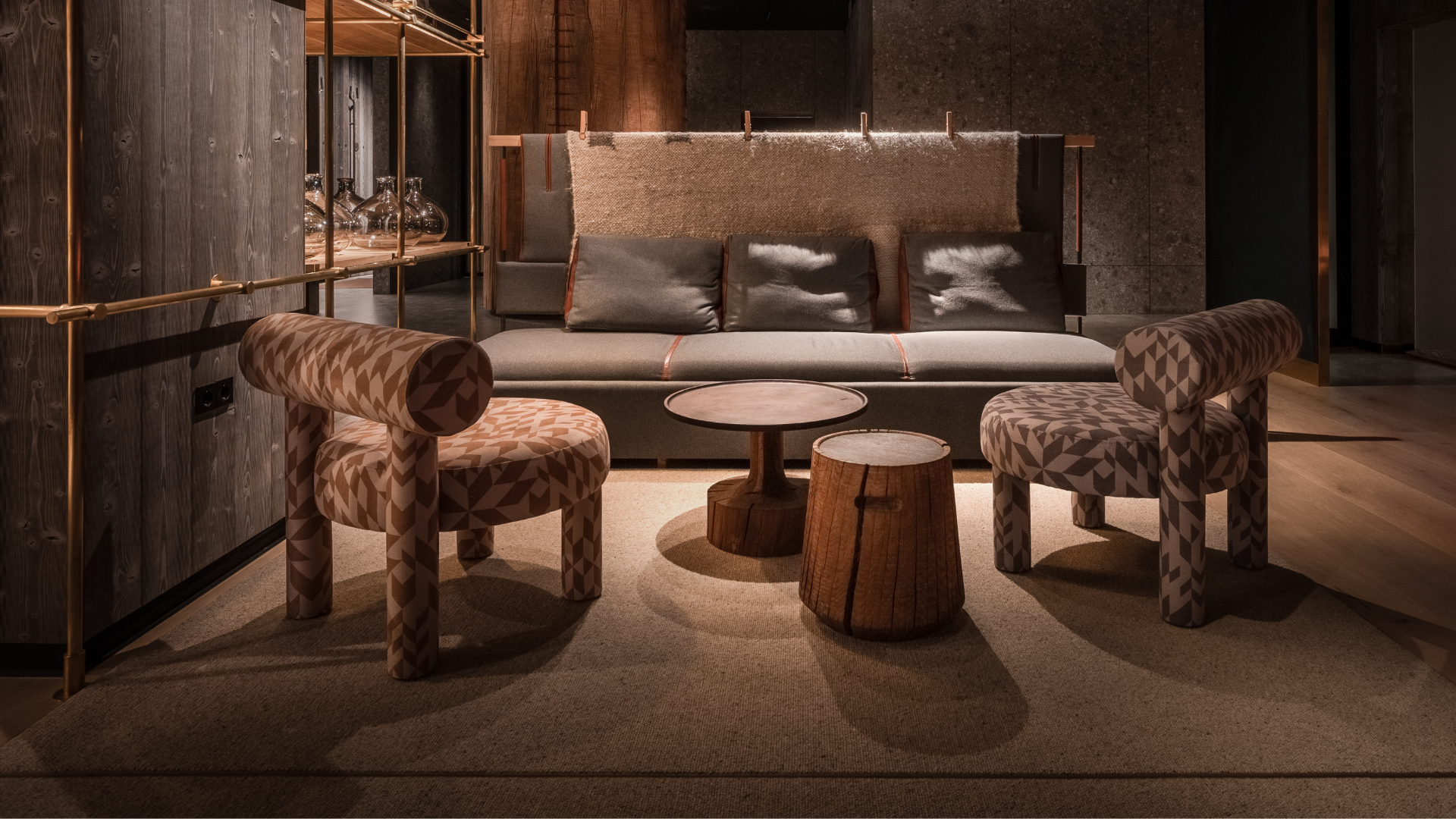
The Project: Iconic Gropius Low chairs by the Ukrainian brand NOOM, upholstered in signature TR ETHNO fabrics. This implementation bridges the gap between ancient traditional codes and global industrial design standards, creating a focal point of cultural identity for the HAY Boutique Hotel & SPA lobby area.
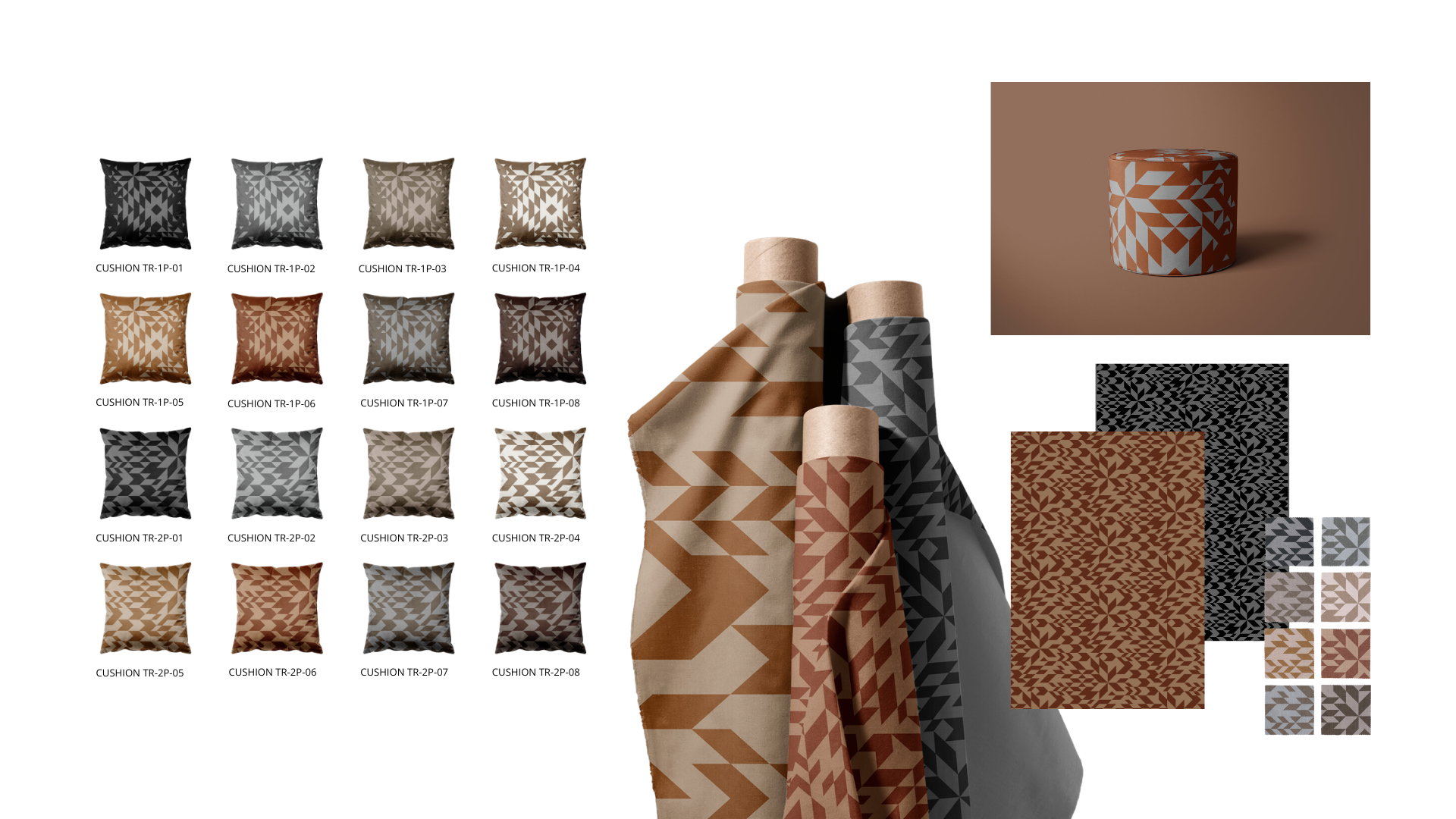
PHASE 02: NARRATIVE ENGINEERING — Scalable Design System (The System)
Technical Engineering. Translating narratives into standardized visual codes (e.g., the TR-series, such as TR-1P-01). These modular systems are precisely engineered and technically adapted for industrial manufacturing in textiles, carpets, and wallcoverings.
PHASE 03: FUTURE HERITAGE — Systemic Implementation (The Realization)
Hospitality & Contract — HAY Boutique Hotel & SPA
The Impact: Demonstrating the scalability of a single visual system across a multi-layered 5-star environment.
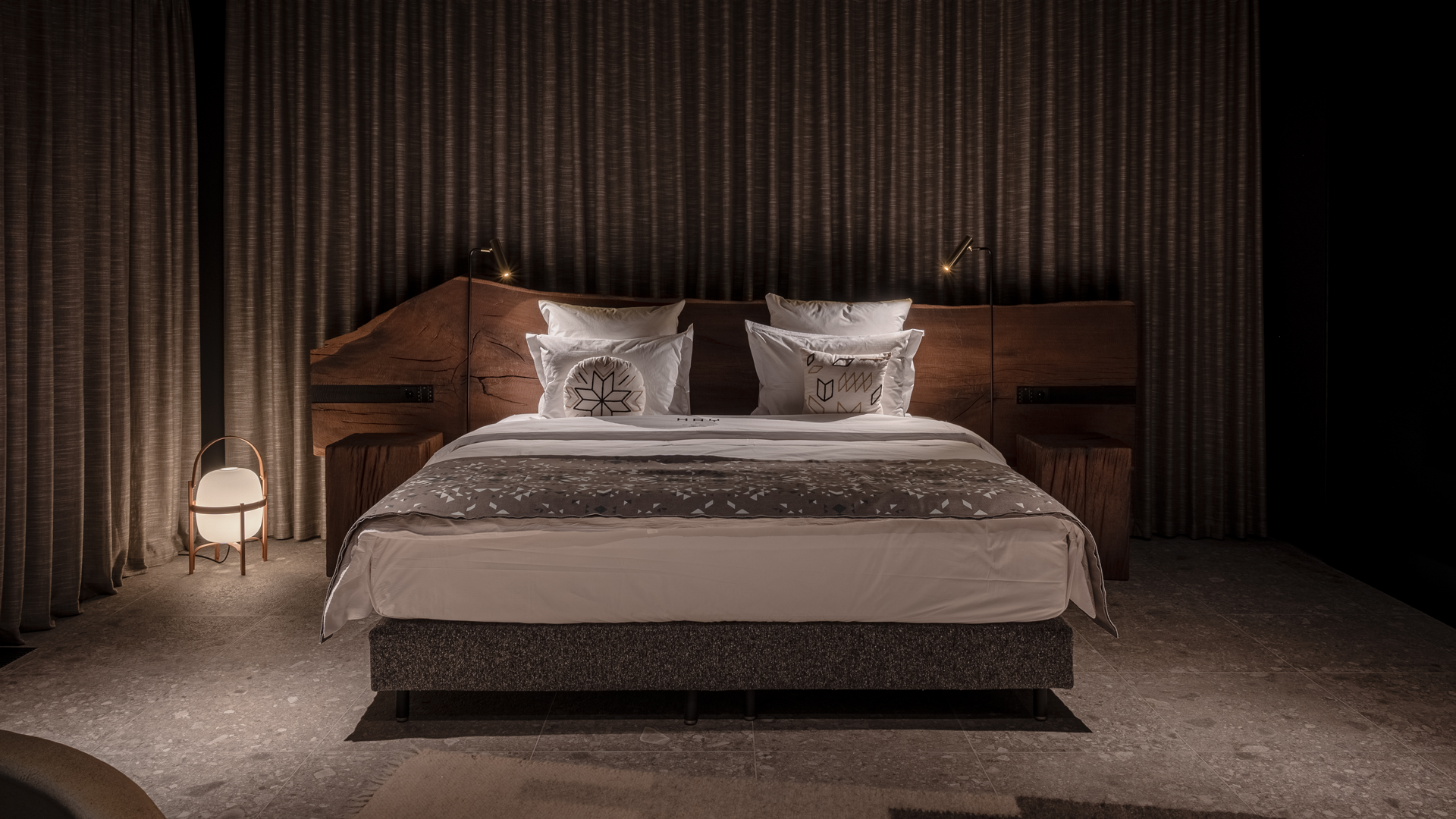
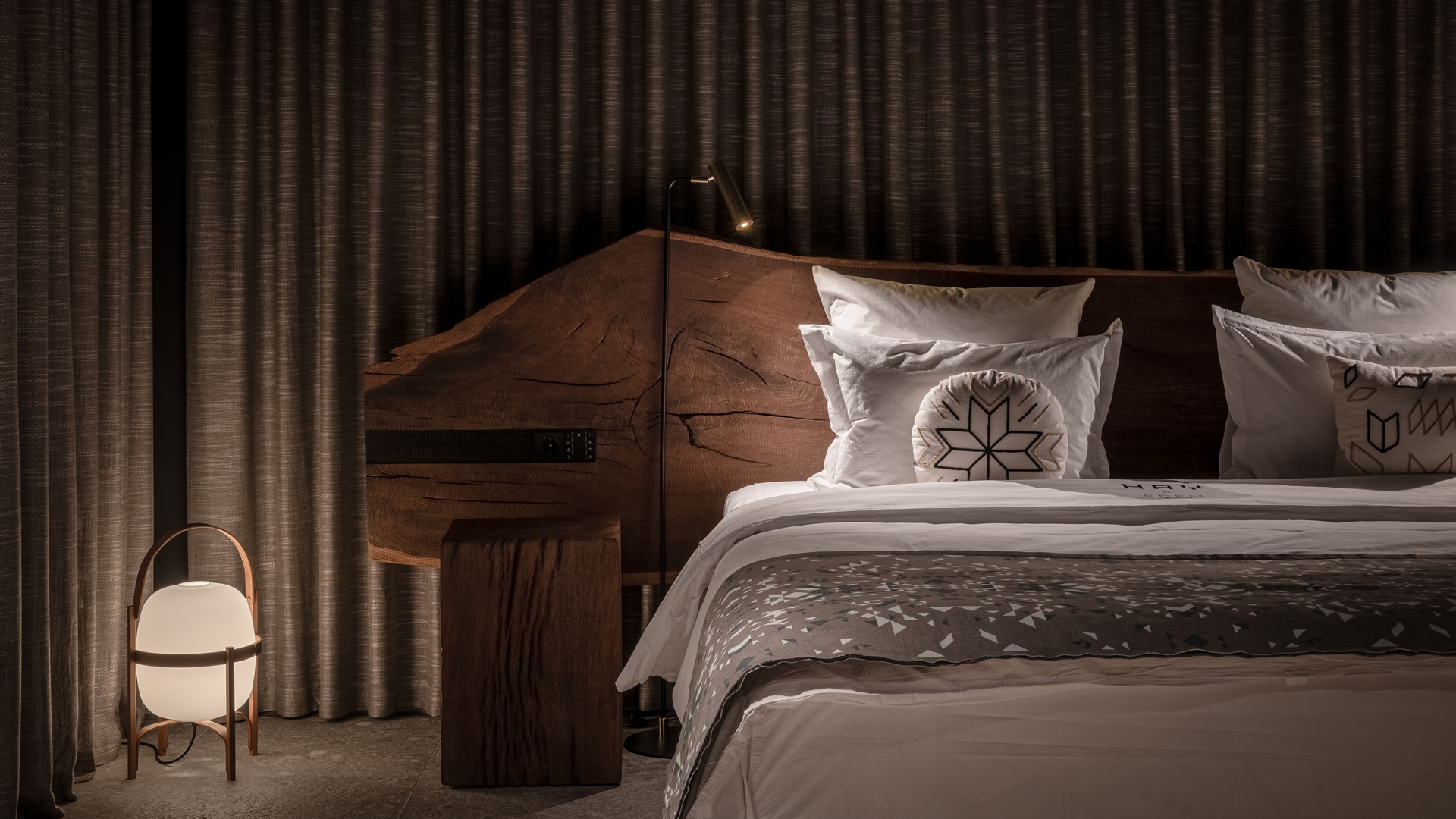
The Project: A comprehensive implementation of the TR ETHNO collection as a bespoke textile ecosystem for the HAY Boutique Hotel & SPA (designed by YOD Group). This includes systemic wallpapers, high-durability upholstery, and exclusive hand-embroidered cushions (Gont / Alatyr series) for the hotel’s premium suites, ensuring a cohesive and grounded sensory experience for the guest
Explore various projects from this case:
Case Study 02:
VIRSHI — PHONETIC VIBRATIONS
The Origin & Concept: VIRSHI — the Ukrainian word for poetry. This project represents the foundational stage of our artistic research initiative, PHONETIC VIBRATIONS — a study dedicated to the vibrational nature of language and sound. We investigate the 'invisible vibration' of the spoken word, treating language not just as literature, but as a rhythmic energy source.
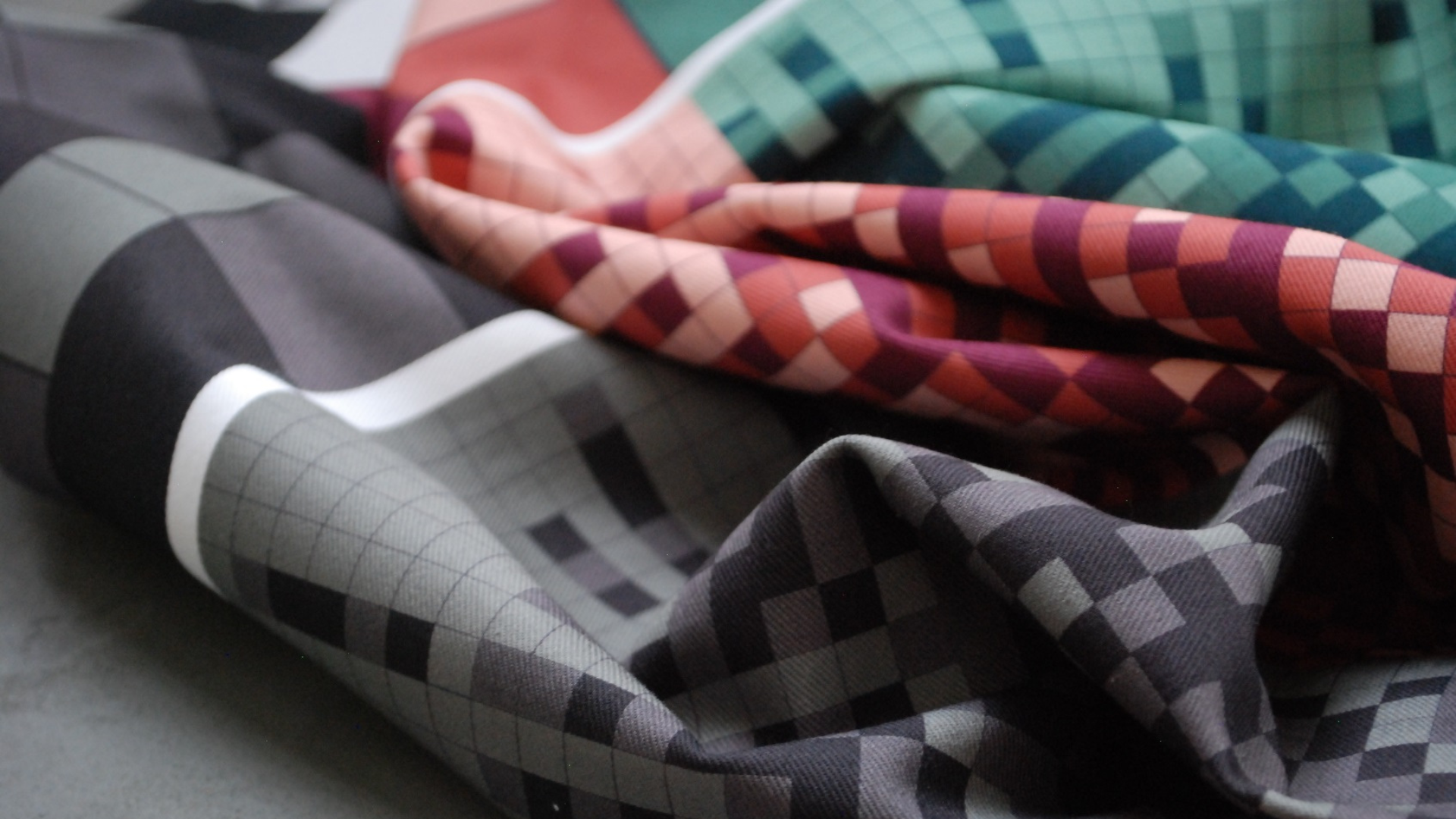
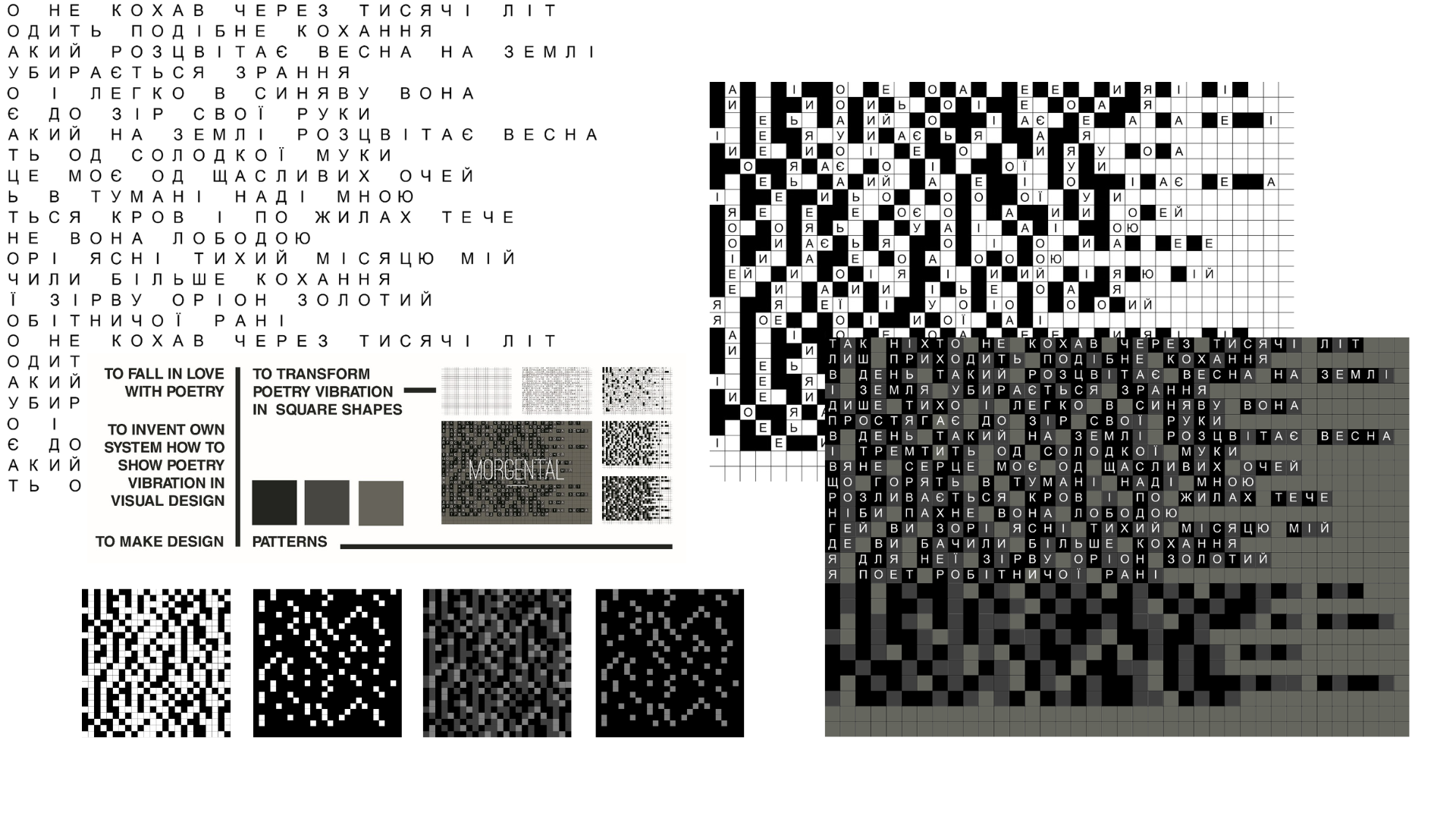
By exploring the phonetic structure of a text — vowels, consonants, and pauses — we created an author’s graphic method that transforms sounds into a unique system of pixels. Every work becomes a 'vibrational map', where language acts as a primary source of visual rhythm and energy.
Note on Evolution: While this case study demonstrates the methodology through the lens of classical Ukrainian poetry, the PHONETIC VIBRATIONS system is engineered to be a scalable visual language. It is designed to expand beyond poetry, codifying other auditory forms such as songs, traditional chants, and contemporary spoken narratives into future industrial design applications.
PHASE 01: RESEARCH — Acoustic Sensing (The Soul)
Phonetic Structure & Emotional Resonance. Researching the rhythmic pulse between sounds and silences — the living vibration of vowels and consonants — to create a sensory bridge. By assigning specific visual values to the energy of the voice, we transform the spoken word into a unique graphic pattern before it enters the engineering phase.
PHASE 02: NARRATIVE ENGINEERING — Scalable Design System (The System)
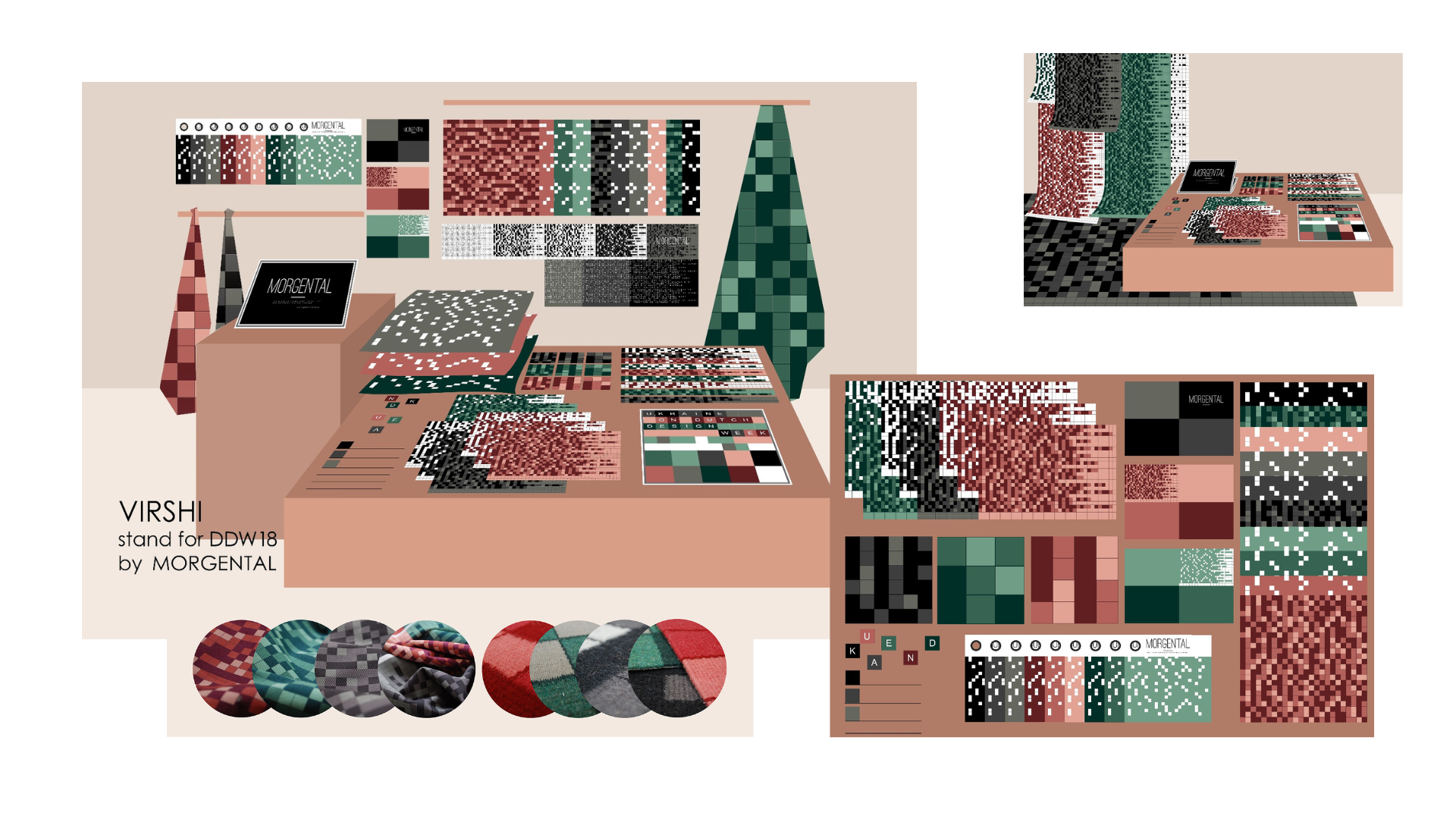
Algorithmic Engineering & Technical Adaptation. We engineered a systemic algorithm where every pixel represents a phonetic element: vowels, consonants, or pauses. Using palettes of grey, red, or green, we assign the darkest shade to consonants, the middle tone to vowels, and the lightest to pauses. This converts a literary narrative into a precise, modular graphic language, technically adapted for high-definition digital printing or artisanal rug weaving. This research project was represented for the very first time at Dutch Design Week 2018
PHASE 03: FUTURE HERITAGE — Global Showcases (The Realization)
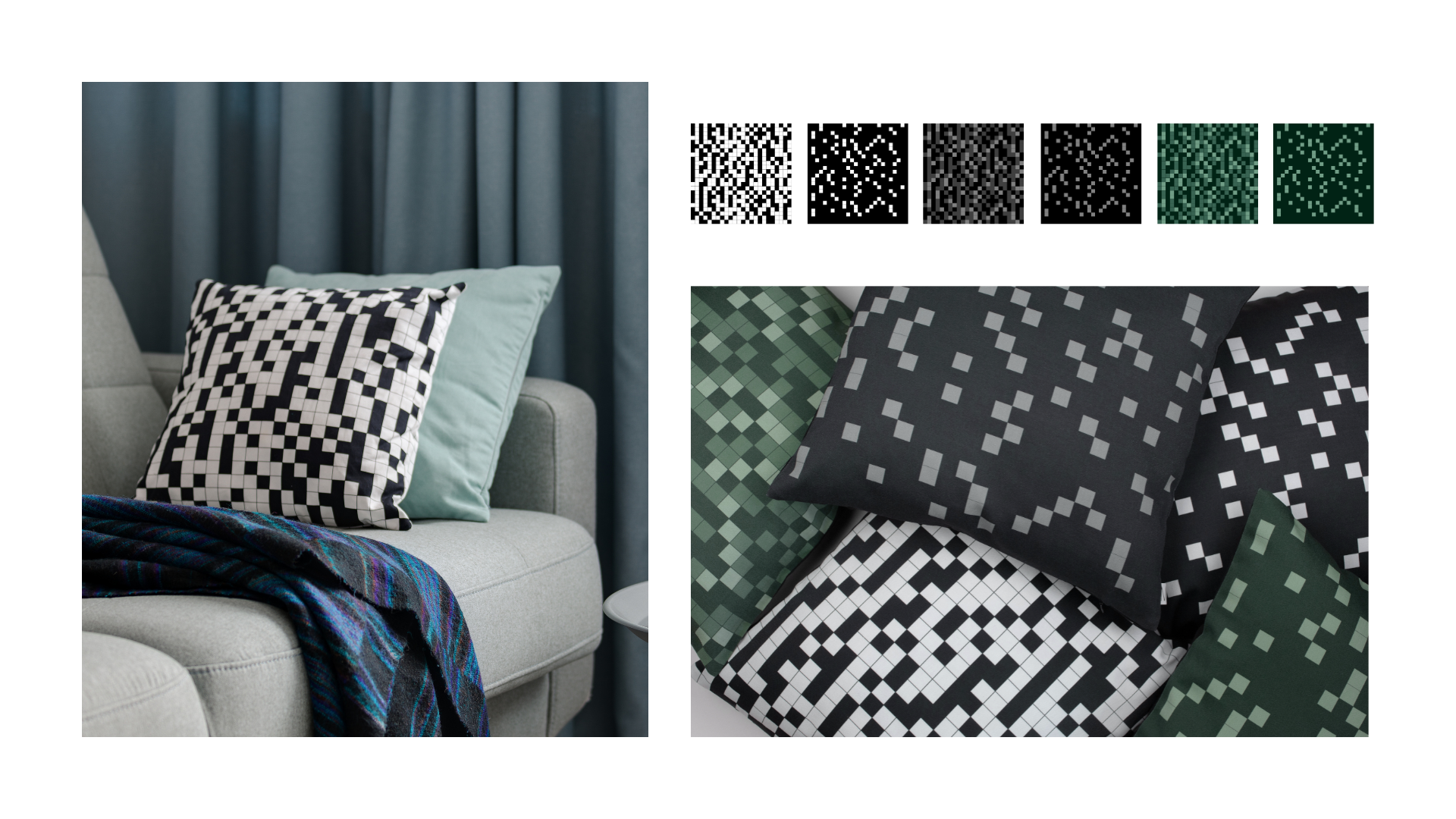
This methodology is successfully implemented in signature textile collections and curated environments, such as the "Musician’s Apartment" project by ALTA IDEA studio. In this interior, the design acts as a sensory reflection of the inhabitant’s creative identity, grounding the space through the vibration of sound.
PHASE 03: FUTURE HERITAGE - Cushion Collection & Spatial Integration (The Realization)
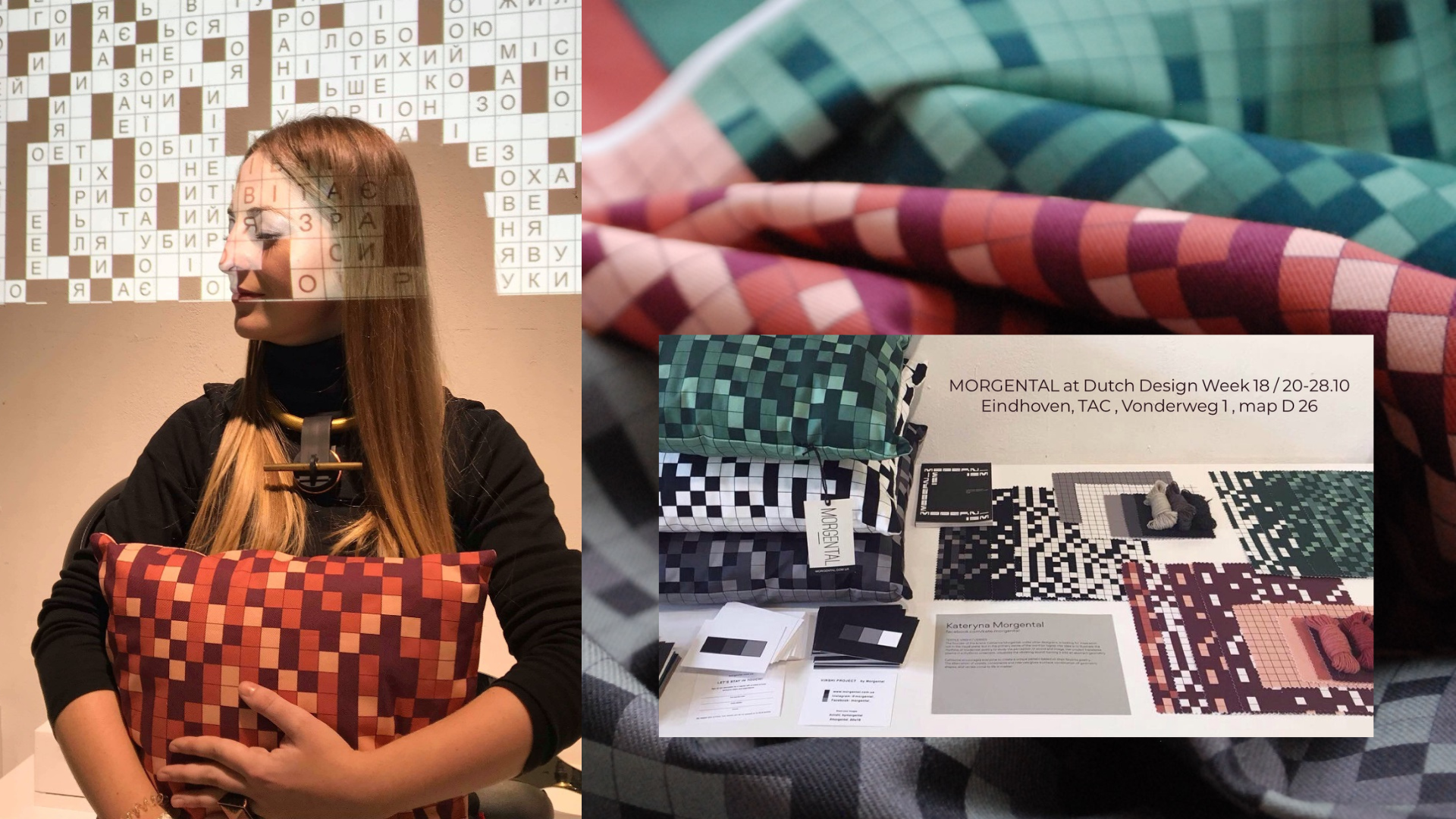
Cushions, textile products, and various concepts for rugs and wallpapers from the VIRSHI project were represented at Dutch Design Week 2018 (Eindhoven) and Paris Design Week 2022. These showcases highlight our ability to turn cultural traditions into modern, professional design systems.